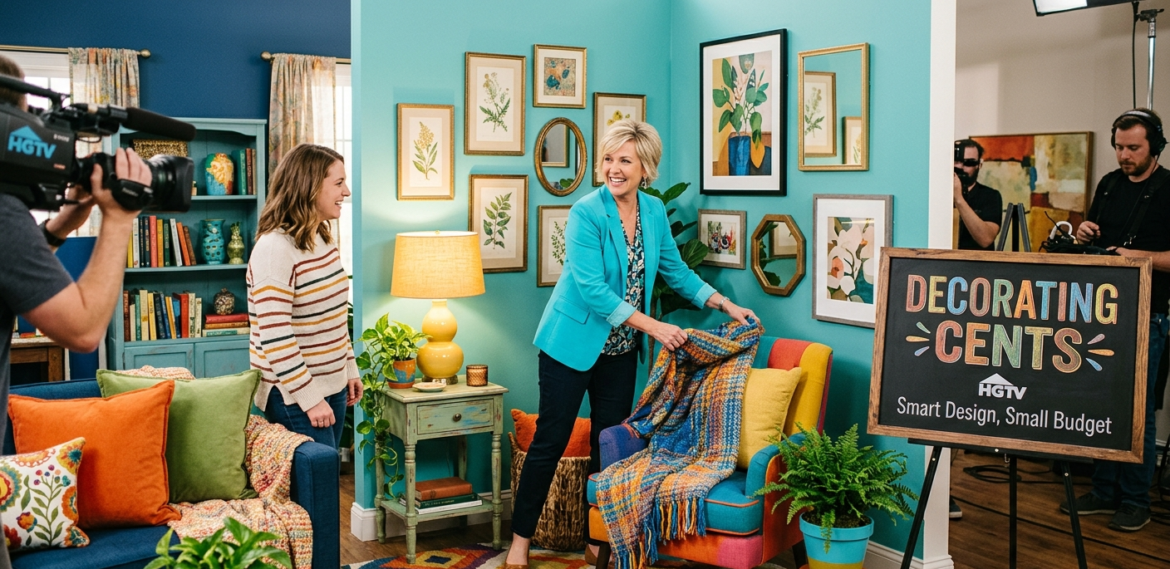
Long before social media influencers, home makeover YouTube channels, and endless design inspiration on Pinterest, there was a television show that taught viewers how to transform their homes without spending a fortune. That show was decorating cents, a beloved HGTV program that aired from 1997 to 2007 and captured the imagination of homeowners across North America.
At a time when many people believed that beautiful interior design required a large budget, decorating cents challenged that assumption. Every episode focused on redesigning a room for less than $500 while delivering dramatic and inspiring results. The concept was simple, but the impact was enormous. By combining creativity, smart shopping, and plenty of colorful design ideas, the show demonstrated that anyone could create a stylish living space regardless of financial limitations.
One of the defining characteristics of decorating cents was its fearless use of color. While many home decorating trends at the time leaned toward neutral palettes, the show embraced vibrant shades, bold combinations, and eye-catching accents. This willingness to experiment made each transformation memorable and unique.
For ten successful years, viewers tuned in to watch ordinary rooms become extraordinary spaces. Families, couples, and homeowners discovered practical decorating solutions they could replicate in their own homes. The show became a trusted source of inspiration and helped redefine what budget-friendly design could look like.
The Origins of Decorating Cents
The late 1990s marked a period of tremendous growth for home improvement television. Networks were beginning to realize that audiences loved seeing real homes transformed into beautiful spaces. HGTV became a pioneer in this genre, launching programs that focused on renovation, decoration, and DIY creativity.
Among these programs, decorating cents quickly stood out. Instead of showcasing luxury budgets or professional designers spending thousands of dollars, the series focused on affordability. Every project revolved around a strict spending limit, forcing designers and homeowners to think creatively.
The show’s premise resonated immediately with viewers because it reflected real-life circumstances. Most homeowners do not have unlimited funds for decorating projects. They need practical solutions, affordable materials, and realistic ideas. Decorating cents delivered exactly that.
The show’s format was easy to follow. Each episode introduced a room that needed improvement, identified the homeowner’s goals, established a budget, and then documented the transformation process. By the end of the episode, viewers could see how strategic choices and creative thinking completely changed the space.
This straightforward approach helped establish the show’s credibility. Audiences appreciated the honesty of working within financial constraints, and they enjoyed learning techniques they could use themselves.
Why Decorating Cents Became So Popular
Many factors contributed to the success of decorating cents, but its popularity largely stemmed from its relatability. Unlike luxury design programs that showcased expensive homes and extravagant renovations, this show focused on ordinary people and achievable goals.
Viewers saw themselves reflected in the homeowners featured on the program. The rooms often faced common problems such as outdated furniture, poor color choices, lack of storage, or limited functionality. These challenges mirrored issues many people experienced in their own homes.
Another reason for the show’s success was its educational value. Every episode provided practical lessons about:
- Color coordination
- Furniture arrangement
- Budget management
- DIY decorating
- Creative storage solutions
- Space planning
- Accessorizing effectively
The show transformed decorating from an intimidating task into an enjoyable and accessible activity.
Additionally, the energetic atmosphere of decorating cents made it entertaining to watch. The excitement of seeing dramatic transformations unfold within a tight budget created suspense and satisfaction for viewers.
The Challenge: Redesigning Rooms for Under $500
Perhaps the most famous aspect of decorating cents was its strict budget limitation. Every room makeover had to be completed for less than $500, which required careful planning and resourcefulness.
Working within such a limited budget encouraged innovative thinking. Instead of purchasing expensive furniture or custom pieces, the show frequently relied on:
- Paint
- Fabric
- Thrift store finds
- Repurposed furniture
- DIY artwork
- Affordable accessories
- Creative lighting solutions
The budget constraint also emphasized the importance of prioritization. Not every item needed replacement. Sometimes a simple coat of paint or a furniture rearrangement could dramatically improve a room’s appearance.
This philosophy continues to influence modern decorating trends. Many homeowners now understand that successful design depends more on creativity than spending power.
The show’s budget-friendly approach empowered viewers to tackle projects they might otherwise have considered impossible. Rather than waiting years to save for expensive renovations, audiences learned they could make meaningful improvements immediately.
A World Filled with Color and Creativity
One feature that distinguished decorating cents from many contemporary design shows was its enthusiastic embrace of color.
During a period when beige, cream, and neutral tones dominated many interiors, the show celebrated bold hues and adventurous palettes. Rooms frequently featured vibrant reds, bright blues, sunny yellows, rich greens, and dramatic purples.
Color was used strategically to:
- Define spaces
- Create focal points
- Enhance mood
- Add personality
- Express homeowner preferences
The fearless use of color gave the show a distinctive identity. Viewers never knew what combination might appear next, which added excitement to each episode.
More importantly, the show demonstrated that color could be one of the most affordable decorating tools available. Paint offered tremendous visual impact at relatively low cost, making it perfect for budget-conscious projects.
The colorful transformations often became the centerpiece of each makeover, proving that even small investments could produce dramatic results.
The Hosting Journey on HGTV
Hosting a successful television program requires more than design expertise. It demands energy, communication skills, creativity, and the ability to connect with viewers.
The host of decorating cents became a familiar face to audiences who appreciated the show’s approachable and encouraging tone. Rather than presenting design as something exclusive or complicated, the program made decorating feel accessible to everyone.
The hosting style focused on education and inspiration. Viewers learned not only what changes were made but also why those choices worked. This helped audiences develop confidence in their own decorating decisions.
Throughout its decade-long run, the show maintained a consistent focus on helping homeowners achieve attractive, functional spaces without overspending. That commitment to practicality helped build trust with viewers and contributed to the program’s longevity.
The experience of hosting such a beloved show also highlighted the universal appeal of home improvement. Regardless of background or budget, people enjoy creating environments that reflect their personalities and support their lifestyles.
How Decorating Cents Changed Home Decorating
The influence of decorating cents extends far beyond its original broadcast years.
Today, countless decorating blogs, social media accounts, and DIY channels promote ideas that align closely with the show’s core philosophy. Concepts such as budget makeovers, furniture upcycling, thrift shopping, and affordable design have become mainstream.
However, when the show first aired, these approaches were less common in television programming. Decorating cents helped demonstrate that design excellence could coexist with financial responsibility.
The show encouraged homeowners to view decorating differently. Instead of focusing on expensive purchases, viewers learned to prioritize:
- Creativity
- Resourcefulness
- Personal expression
- Smart planning
- Functional improvements
This shift in perspective remains relevant today as many families continue seeking affordable ways to enhance their homes.
Budget Decorating Before It Was Trendy
Modern audiences are surrounded by budget decorating content. Social media platforms feature countless examples of inexpensive room makeovers, DIY projects, and furniture transformations.
In the late 1990s and early 2000s, however, this type of content was far less common. Decorating cents was among the pioneers that helped popularize affordable interior design.
The show consistently demonstrated that attractive spaces could emerge from modest budgets. By highlighting practical techniques and realistic spending limits, it challenged the assumption that quality design required luxury-level investments.
This message resonated strongly with viewers because it addressed genuine concerns. Most households operate within financial constraints, making budget-conscious decorating highly relevant.
The show’s success helped pave the way for future programming focused on affordable home improvement and DIY creativity.
Most Memorable Decorating Cents Transformations
One of the greatest strengths of decorating cents was its ability to deliver dramatic transformations despite limited resources.
Some of the most memorable makeovers involved:
Living Rooms
Living rooms often serve as the heart of the home. The show frequently transformed dull, outdated spaces into welcoming environments through strategic furniture placement, colorful paint schemes, and carefully selected accessories.
Bedrooms
Bedroom makeovers emphasized comfort, relaxation, and personal style. New bedding, fresh paint, and creative decorative elements often produced remarkable results without exceeding the budget.
Dining Rooms
Dining spaces benefited from updated lighting, painted furniture, and creative centerpiece arrangements. These changes enhanced both functionality and visual appeal.
Children’s Rooms
Kids’ rooms provided opportunities for playful themes, vibrant colors, and imaginative storage solutions. These transformations often became viewer favorites because of their creativity and energy.
Home Offices
As home-based work became increasingly common, office makeovers demonstrated how productivity and style could coexist within small spaces and limited budgets.
Each transformation reinforced the show’s central message: thoughtful design choices matter more than expensive purchases.
The Design Philosophy Behind the Show
The philosophy of decorating cents can be summarized through several key principles:
Design Should Be Accessible
Everyone deserves a beautiful home regardless of budget.
Creativity Matters More Than Cost
Innovative ideas often produce better results than expensive products.
Color Creates Impact
Strategic color choices can transform a room more dramatically than many costly upgrades.
Personal Style Is Important
Homes should reflect the personalities and preferences of the people who live in them.
Small Changes Can Make Big Differences
Minor improvements often create significant visual impact.
These principles helped establish the show’s identity and continue to inspire homeowners today.
DIY Projects That Inspired Millions
One of the biggest reasons decorating cents became such a memorable HGTV show was its emphasis on do-it-yourself creativity. Rather than encouraging homeowners to spend hundreds or thousands of dollars on new furniture and accessories, the show demonstrated how simple projects could completely transform a room.
The DIY movement was not nearly as widespread during the late 1990s and early 2000s as it is today. Social media tutorials, online crafting communities, and home improvement influencers did not yet dominate the internet. For many viewers, decorating cents served as their primary source of creative inspiration.
The show regularly featured projects that were easy enough for beginners but impactful enough to make a noticeable difference in a room’s appearance. These projects often included painting furniture, creating custom artwork, sewing decorative pillows, making window treatments, and repurposing household items into stylish décor.
What made these projects so appealing was their accessibility. Most required basic tools, affordable materials, and a willingness to experiment. Viewers learned that decorating was not reserved for professional designers. Anyone could improve a room with creativity and determination.
For example, instead of replacing an outdated coffee table, the show might repaint it in a bold color and add decorative finishes. Rather than purchasing expensive wall art, homeowners could create their own pieces using paint, fabric, or framed photographs. These practical ideas empowered viewers to take action and personalize their spaces.
Many of the DIY concepts featured on decorating cents remain relevant today. Upcycling, furniture makeovers, and handmade decorations continue to be popular because they offer both financial savings and unique results.
The show’s emphasis on hands-on creativity helped foster confidence among viewers. People who had never considered themselves artistic discovered that they could successfully complete decorating projects and enjoy the process.
Decorating Cents and the Rise of Affordable Interior Design
When discussing the history of budget-friendly decorating, it is impossible to ignore the influence of decorating cents. The show played an important role in shaping how homeowners think about interior design.
Before programs like this gained popularity, many people associated professional-looking interiors with large budgets and luxury purchases. Design magazines often showcased expensive furniture, custom cabinetry, and high-end accessories that seemed out of reach for average families.
Decorating cents offered an alternative perspective. It proved that beautiful interiors could be created using affordable materials and thoughtful planning.
This message resonated with a broad audience because financial constraints are a reality for most homeowners. Whether decorating a first apartment, updating a family home, or preparing a property for sale, people frequently need cost-effective solutions.
The show’s success helped normalize budget decorating as a legitimate design approach rather than a compromise. It demonstrated that affordability and style could coexist.
Many of the concepts that dominate today’s decorating landscape can be traced back to ideas popularized by programs like decorating cents:
- Thrift store shopping
- Furniture refinishing
- DIY décor
- Budget room makeovers
- Color-focused transformations
- Repurposed accessories
- Affordable design hacks
These strategies have become mainstream because they work. They allow homeowners to achieve impressive results without overspending.
The rise of online marketplaces, social media platforms, and DIY communities has only amplified the importance of these concepts. Yet the core principles remain remarkably similar to those featured on the show decades ago.
Lessons Homeowners Still Use Today
Even though the original run of decorating cents ended in 2007, its lessons remain highly relevant for modern homeowners.
Paint Is One of the Best Investments
One of the most consistent themes throughout the show was the transformative power of paint.
A fresh coat of paint can dramatically alter the mood and appearance of a room. Whether applied to walls, furniture, cabinets, or accessories, paint offers one of the highest returns on investment in home decorating.
Many homeowners continue to rely on this strategy because it provides immediate visual impact at relatively low cost.
Rearranging Furniture Can Transform a Space
Not every makeover requires new purchases. Sometimes simply changing the arrangement of existing furniture can improve traffic flow, functionality, and aesthetics.
Decorating cents frequently demonstrated how strategic furniture placement could make rooms feel larger, more inviting, and more practical.
This lesson remains valuable because it costs nothing yet often produces noticeable results.
Accessories Matter
Small details can have a major impact on a room’s overall appearance.
Decorative pillows, artwork, lamps, rugs, and accessories help create visual interest and personality. The show consistently used these elements to enhance spaces without exceeding the budget.
Modern decorators continue to rely on accessories as an affordable way to refresh interiors.
Personal Style Should Guide Design Choices
One of the most refreshing aspects of decorating cents was its celebration of individuality.
Rather than imposing a single design style on every homeowner, the show encouraged people to express their personalities through color, furniture, and décor choices.
This approach remains important today. Successful interiors reflect the people who live in them rather than blindly following trends.
Creativity Solves Budget Challenges
Perhaps the show’s most enduring lesson is that creativity can overcome financial limitations.
Limited budgets often encourage innovative thinking. By repurposing existing items, exploring DIY solutions, and focusing on impactful changes, homeowners can achieve impressive results without significant expense.
This mindset continues to inspire decorators around the world.
Why Viewers Connected With Decorating Cents
Television audiences form strong connections with programs that feel authentic, relatable, and useful. Decorating cents succeeded because it offered all three qualities.
The homeowners featured on the show represented real people facing common decorating challenges. Their concerns were familiar to viewers, making the transformations more meaningful.
The budget constraints added realism and credibility. Audiences appreciated seeing solutions they could realistically implement in their own homes.
The use of color and creativity kept the program visually engaging. Every episode offered surprises, inspiration, and practical takeaways.
Most importantly, the show delivered hope. It demonstrated that beautiful living spaces were achievable regardless of financial circumstances.
This empowering message helped establish a loyal fan base and contributed to the program’s long-term success.
Behind the Scenes of a Decorating Cents Makeover
Although viewers saw the final results within a single television episode, each makeover required extensive planning and coordination.
The process typically began with evaluating the homeowner’s needs, preferences, and budget. Designers identified opportunities for improvement and developed a strategy for maximizing impact while minimizing costs.
Shopping played a crucial role in the process. Finding affordable materials, furniture, and accessories required careful research and creative problem-solving.
DIY projects often involved preparation, construction, painting, sewing, and installation. Team members worked efficiently to complete tasks within tight schedules.
Color selection was another important component. The show’s bold aesthetic depended on thoughtful color combinations that reflected homeowner preferences while creating visual excitement.
By the time the reveal occurred, numerous decisions and hours of work had contributed to the transformation.
Understanding this process helps viewers appreciate the skill and dedication required to achieve such impressive results on a limited budget.
The Legacy of Decorating Cents
More than a decade after its final episode aired, decorating cents continues to hold a special place in the history of home improvement television.
Its influence can be seen in countless decorating programs, online tutorials, blogs, and social media accounts that emphasize affordability and creativity.
The show’s legacy includes:
- Promoting budget-conscious decorating
- Encouraging DIY creativity
- Popularizing colorful interiors
- Making design accessible to everyday homeowners
- Demonstrating the value of resourcefulness
Many viewers who watched the show during its original run still remember specific episodes, decorating ideas, and transformations.
The program helped shape an entire generation’s understanding of home design and proved that beautiful interiors do not require extravagant budgets.
Decorating Cents in Today’s Design World
If decorating cents were launched today, many of its core principles would still resonate with audiences.
Modern homeowners continue to seek affordable decorating solutions. Rising housing costs, economic uncertainty, and increased interest in sustainability have made budget-conscious design more important than ever.
The show’s focus on repurposing, upcycling, and maximizing value aligns closely with current trends. Many contemporary decorators prioritize sustainability and reducing waste, making these strategies especially relevant.
Social media platforms have also increased demand for visually appealing interiors. However, not everyone can afford luxury furnishings and expensive renovations.
The philosophy behind decorating cents offers a practical alternative. It reminds homeowners that creativity and thoughtful planning matter more than spending power.
This message remains timeless.
The Importance of Color in Decorating Cents
Color was arguably the defining visual characteristic of decorating cents.
The show embraced bold, vibrant palettes at a time when many interiors favored neutral tones. This willingness to experiment helped distinguish the program from other decorating shows.
Color can influence mood, energy, and perception. Bright colors often create excitement and warmth, while cooler shades can promote relaxation and tranquility.
Throughout the series, color served multiple purposes:
- Creating focal points
- Defining functional areas
- Expressing personality
- Enhancing architectural features
- Adding visual drama
The show’s fearless approach encouraged viewers to step outside their comfort zones and explore new possibilities.
Many homeowners discovered that introducing color was one of the easiest and most affordable ways to transform a room.
Why Decorating Cents Still Matters
The continued popularity of budget decorating content highlights the lasting relevance of decorating cents.
People continue to face financial limitations, and many still seek affordable ways to improve their homes. The principles featured on the show remain practical because they address universal challenges.
Regardless of changing trends, homeowners consistently benefit from:
- Smart budgeting
- Creative problem-solving
- DIY projects
- Strategic use of color
- Thoughtful design choices
The show’s emphasis on accessibility and empowerment continues to inspire viewers years after its original broadcast.
Its message is simple yet powerful: beautiful homes are not defined by how much money is spent but by the creativity and care invested in them.
Conclusion
For ten memorable years, decorating cents entertained and educated viewers while transforming rooms for less than $500. The show’s combination of budget-friendly decorating, bold color choices, practical advice, and creative problem-solving made it one of HGTV’s most beloved programs.
What set decorating cents apart was its commitment to accessibility. Rather than focusing on luxury renovations or expensive furnishings, the show celebrated the potential of ordinary spaces and ordinary budgets. It proved that creativity could achieve results that rivaled far more costly projects.
The lessons taught through decorating cents continue to resonate with homeowners today. From DIY projects and furniture makeovers to strategic use of paint and accessories, the show’s principles remain relevant in modern design.
Its legacy extends far beyond television. It helped reshape public perceptions of interior design, encouraging millions of people to embrace creativity, confidence, and resourcefulness in their homes.
Whether you watched the show during its original run from 1997 to 2007 or are discovering it years later, decorating cents remains a powerful reminder that beautiful design does not have to come with a beautiful price tag.
FAQs About Decorating Cents
What was Decorating Cents?
Decorating cents was a popular HGTV home decorating television show that aired from 1997 to 2007. The program focused on redesigning rooms for less than $500 using creative and affordable decorating solutions.
Why was Decorating Cents so popular?
The show’s popularity came from its realistic budgets, colorful transformations, practical advice, and relatable homeowners. Viewers appreciated learning decorating techniques they could apply in their own homes.
How much money could be spent on each room makeover?
Each episode of decorating cents typically featured a room transformation completed with a budget of under $500.
What made Decorating Cents different from other decorating shows?
Unlike many design programs that focused on expensive renovations, decorating cents emphasized affordability, DIY creativity, and practical decorating strategies.
Did Decorating Cents use a lot of color?
Yes. One of the defining characteristics of decorating cents was its bold use of color. Vibrant paint schemes and colorful accessories were common elements of the show’s makeovers.
Are the decorating ideas from Decorating Cents still relevant today?
Absolutely. Many of the show’s principles—including budgeting, DIY projects, furniture repurposing, and creative problem-solving—remain highly relevant and widely used today.
What can modern homeowners learn from Decorating Cents?
Modern homeowners can learn how to maximize limited budgets, use color effectively, repurpose existing furniture, embrace DIY projects, and create beautiful spaces without overspending.
Where can people watch Decorating Cents today?
Availability varies by region and streaming platform. Some episodes may be available through HGTV archives, streaming services, or online video platforms depending on licensing agreements.